Enchanting Guardians of Forest Floors and Hidden Fairy Rings
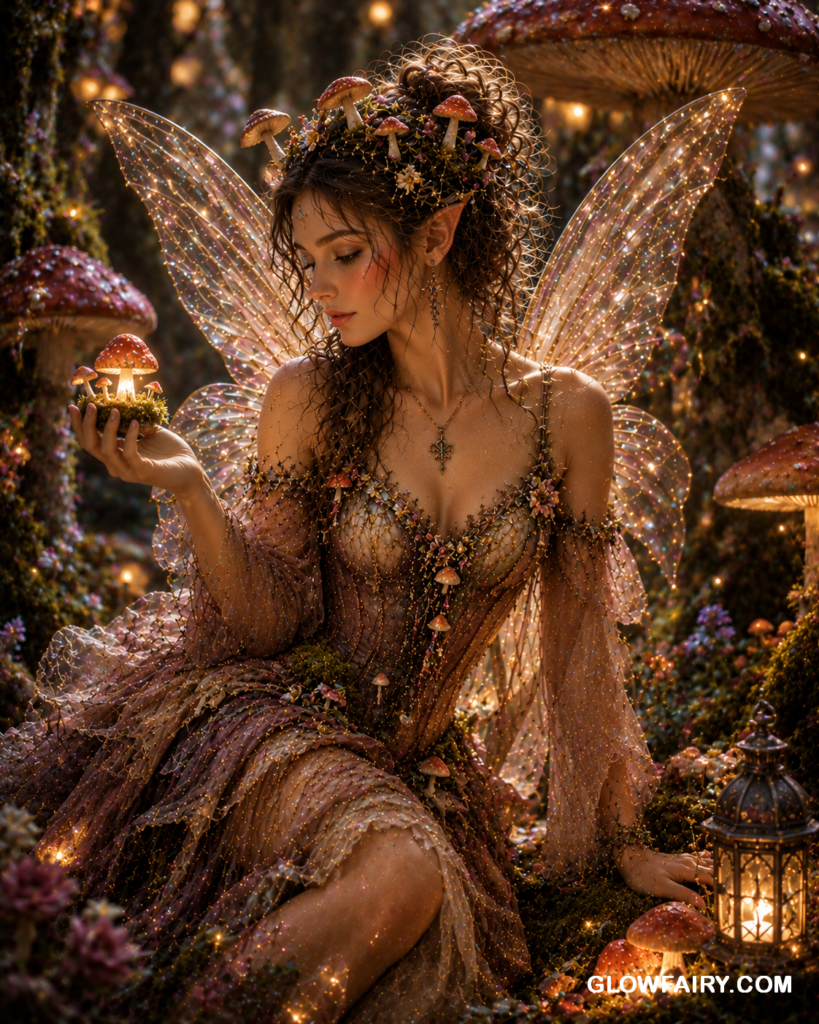
Mushroom fairies are among the most beloved and whimsical beings in modern fairy folklore. Living beneath towering toadstools, hidden among moss-covered forests, and dancing within mysterious fairy rings, these magical creatures embody the enchanting side of woodland magic.
With their mushroom-inspired hats, earthy clothing, delicate wings, and playful personalities, mushroom fairies have become icons of cottagecore, fairycore, fantasy art, and fairy garden design. They represent mystery, imagination, hidden worlds, and the belief that magic may exist just beyond the edge of everyday life.
Whether tending miniature mushroom villages deep in the woods or gathering beneath moonlit fairy rings, mushroom fairies continue to capture the hearts of dreamers around the world.
The Lore of Mushroom Fairies
According to fairy lore, mushroom fairies dwell in the quietest corners of ancient forests. They make their homes beneath giant toadstools, inside hollow mushrooms, and among moss-covered logs where sunlight filters gently through the trees.
Many legends describe mushroom fairies as caretakers of the forest floor. They help fungi grow, guide woodland creatures through hidden pathways, and protect the delicate ecosystems that thrive beneath the forest canopy.
Mushroom fairies are often associated with fairy rings—naturally occurring circles of mushrooms that have inspired folklore for centuries. According to tradition, fairy rings appear wherever fairies gather to dance under the moonlight. Entering a fairy ring was believed to transport travelers into the fairy realm or cause them to become enchanted.
Unlike regal Fairy Queens or mysterious celestial fairies, mushroom fairies are often portrayed as playful, curious, and approachable. They delight in collecting acorns, exploring hidden woodland corners, and discovering tiny treasures left behind by nature.
Mushroom Fairies in Folklore and Fairy Tales
Mushrooms have long been associated with fairy magic throughout European folklore.
Fairy rings appear in countless legends from Ireland, Scotland, England, and other parts of Europe. These mysterious circles of mushrooms were often viewed as portals between worlds where fairies gathered to celebrate, dance, and perform magical rituals.
Many old stories warned travelers not to disturb fairy rings or pick mushrooms growing within them. Doing so was thought to offend the fairy folk and invite mischief or bad luck.
Victorian fairy artists were especially fascinated by mushrooms and often painted tiny fairies perched atop toadstools, creating the iconic imagery still associated with mushroom fairies today.
Over time, these artistic depictions became one of the most recognizable fairy aesthetics in popular culture.
Modern Characters Inspired by Mushroom Fairies
Mushroom fairies are incredibly popular in contemporary fantasy.
Examples include:
- Woodland fairy characters in fantasy illustrations.
- Cottagecore and fairycore-inspired artwork.
- Fairy garden decorations featuring mushroom houses.
- Fantasy video game characters associated with fungi and forests.
- Original fairy characters created by artists and cosplayers.
The rise of cottagecore and fairycore aesthetics has made mushroom fairies one of the most searched and shared fairy themes online.
The Symbolism of Mushroom Fairies
Mushroom fairies are commonly associated with:
- Mystery
- Imagination
- Hidden magic
- Nature
- Exploration
- Curiosity
- Transformation
- Connection to the Earth
Because mushrooms often appear suddenly after rain and thrive in hidden places, mushroom fairies symbolize discovering magic in unexpected corners of the world.
They remind us that not all treasures are obvious and that wonder often exists beneath the surface.
Types of Mushroom Fairies
Fantasy artists often create many different mushroom fairy varieties.
Toadstool Fairies
Inspired by red-and-white spotted mushrooms and classic fairy tale imagery.
Moss Fairies
Guardians of mossy woodland floors and ancient trees.
Fairy Ring Fairies
Protectors of enchanted mushroom circles.
Lantern Mushroom Fairies
Associated with glowing fungi and bioluminescent forests.
Autumn Mushroom Fairies
Connected to fall forests, harvest season, and woodland abundance.
Crystal Mushroom Fairies
Magical beings who combine mushroom aesthetics with gemstones and crystals.
Each type offers unique inspiration for fantasy stories and artwork.
How to Create a DIY Mushroom Fairy Costume
Mushroom fairy costumes are fun, whimsical, and easy to customize.
1. Choose Woodland Colors
Popular mushroom fairy color palettes include:
- Red
- Cream
- Brown
- Rust
- Forest green
- Ivory
- Gold
- Moss green
These earthy tones help create an authentic woodland appearance.
2. Create Mushroom Fairy Wings
Mushroom fairy wings often feature:
- Leaf-inspired patterns
- Woodland colors
- Soft iridescence
- Nature motifs
- Moss and vine details
Some artists even create wings shaped like mushroom caps.
3. Make a Mushroom Hat
One of the most iconic mushroom fairy accessories is a mushroom cap hat.
Popular materials include:
- Felt
- Foam
- Fabric
- Painted craft materials
Red-and-white toadstool caps remain the classic choice, but many fantasy variations exist.
4. Add Woodland Accessories
Decorate your costume with:
- Acorn jewelry
- Mushroom charms
- Crystal pendants
- Tiny lanterns
- Moss accents
- Leaf crowns
These details help create a magical forest aesthetic.
5. Mushroom Fairy Makeup
Popular makeup ideas include:
- Freckles
- Earth-toned eyeshadow
- Mushroom face art
- Glitter accents
- Nature-inspired designs
- Soft rosy cheeks
Many cosplayers add tiny mushroom illustrations around the eyes and temples.
Essential Items Every Mushroom Fairy Needs
Mushroom Cap Hat
The signature accessory of many mushroom fairy costumes.
Woodland Wings
Delicate wings decorated with natural textures and colors.
Acorn Satchel
Perfect for collecting magical treasures and forest finds.
Crystal Necklace
Many mushroom fairies are associated with hidden woodland crystals.
Fairy Lantern
A glowing lantern helps illuminate enchanted forest paths.
Tiny Mushroom Basket
A decorative basket filled with acorns, flowers, crystals, or fairy treasures adds extra charm.
Mushroom Fairies in Fairy Gardens and Cottagecore Decor
Mushroom fairies are among the most popular fairy garden themes.
Popular decorations include:
- Miniature mushroom houses
- Tiny woodland pathways
- Fairy ring displays
- Moss gardens
- Acorn furniture
- Miniature bridges
- Glowing fairy lanterns
These whimsical scenes help bring mushroom fairy stories to life.
Why Mushroom Fairies Remain So Popular
Mushroom fairies perfectly capture the feeling that magic may be hiding just beyond sight. Their connection to forests, fairy rings, and secret woodland worlds appeals to people who love nature, fantasy, and imaginative storytelling.
The recent popularity of cottagecore and fairycore aesthetics has introduced mushroom fairies to an entirely new generation of fairy enthusiasts. Their whimsical appearance, cozy woodland themes, and association with hidden magic make them ideal symbols of wonder and creativity.
Whether appearing in fantasy artwork, fairy gardens, cosplay, home decor, or magical storytelling, mushroom fairies continue to enchant people who believe that the forest holds secrets waiting to be discovered beneath every moss-covered log and mushroom cap.
For anyone who has ever imagined tiny fairy villages hidden deep in the woods, mushroom fairies remain among the most delightful and magical beings in all of fairy lore.