Enchanting Spirits of Moonlight, Mystery, and Dark Beauty
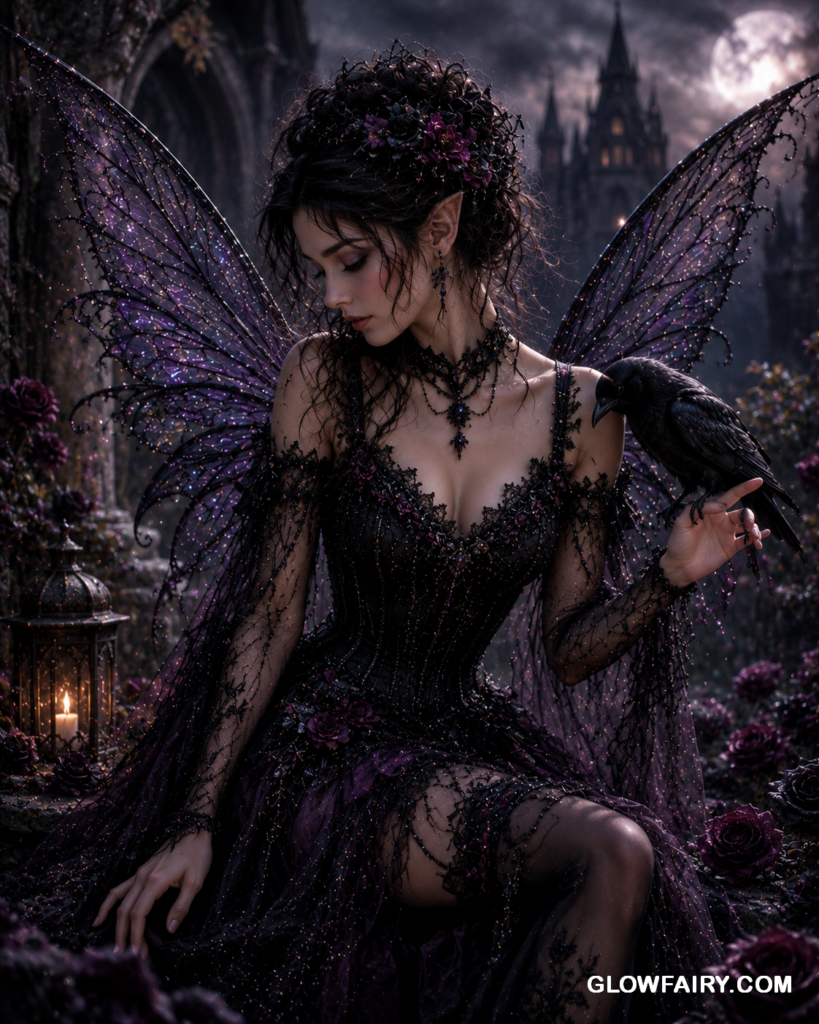
Gothic fairies are among the most captivating beings in modern fairy folklore and fantasy art. Combining the elegance of traditional fairies with the romantic beauty of gothic aesthetics, these mysterious creatures inhabit moonlit forests, ancient ruins, forgotten gardens, and enchanted realms where shadows and magic intertwine.
Often adorned in black lace, velvet, silver jewelry, and dark wings that shimmer beneath the moon, gothic fairies embody mystery, individuality, imagination, and the beauty found within darkness. Far from being evil or frightening, gothic fairies represent the magical side of the night, celebrating creativity, introspection, and the enchanting allure of the unknown.
Their popularity has grown enormously in fantasy art, gothic fashion, alternative culture, cosplay, and social media communities where dark fantasy aesthetics continue to inspire millions.
The Lore of Gothic Fairies
Unlike flower fairies or garden fairies who thrive in bright sunlight, gothic fairies are said to awaken beneath the moon and stars. According to fairy lore, they dwell in hidden places where magic feels ancient and timeless—forgotten castles, ivy-covered cemeteries, misty forests, and abandoned gardens illuminated by silver moonlight.
Many legends describe gothic fairies as guardians of forgotten stories, lost dreams, and hidden knowledge. They are often portrayed as wise beings who understand both beauty and sorrow, helping travelers navigate difficult periods of transformation and self-discovery.
Some tales claim gothic fairies gather during lunar eclipses and full moons, celebrating beneath ancient trees while ravens, owls, and bats watch from the shadows. Others describe them as caretakers of moonlit roses and rare night-blooming flowers that open only after sunset.
Unlike mischievous pixies, gothic fairies are usually portrayed as thoughtful, mysterious, and deeply connected to intuition and imagination.
Gothic Fairies in Folklore and Literature
Traditional folklore rarely uses the term “gothic fairy,” but many legends contain fairy beings that influenced the modern aesthetic.
Celtic folklore includes stories of mysterious fairy queens, moonlit fairy courts, and magical beings who appeared at twilight. Many of these stories carried an atmosphere of beauty mixed with mystery, which closely aligns with today’s gothic fairy imagery.
Victorian literature and art played a major role in shaping the gothic fairy aesthetic. During the nineteenth century, artists frequently painted fairies in moonlit landscapes, ancient ruins, and enchanted forests. Their work blended romanticism, melancholy, and fantasy into imagery that still inspires gothic fairy art today.
Classic Gothic literature, with its castles, candlelight, ravens, roses, and moonlit settings, also helped create the visual language now associated with gothic fairies.
Modern Characters Inspired by Gothic Fairies
Gothic fairies have become incredibly popular in modern fantasy culture.
Examples include:
- Dark fairy queens in fantasy novels.
- Enchanted fairy villains and antiheroes.
- Alternative fairy characters featured in fantasy artwork.
- Gothic fantasy heroines with wings and magical powers.
- Original characters created by artists within goth and dark fantasy communities.
Many modern gothic fairies blend fairy lore with elements of vampires, witches, celestial beings, and Victorian fashion to create uniquely enchanting characters.
The Symbolism of Gothic Fairies
Gothic fairies are commonly associated with:
- Mystery
- Individuality
- Transformation
- Imagination
- Intuition
- Inner strength
- Moon magic
- Beauty within darkness
Rather than representing negativity, gothic fairies often symbolize embracing all aspects of oneself, including the parts that feel different, misunderstood, or unconventional.
They remind us that darkness can be beautiful, creative, and magical rather than something to fear.
Types of Gothic Fairies
Fantasy artists often create several varieties of gothic fairies.
Moon Gothic Fairies
Associated with lunar magic, silver light, and celestial mysteries.
Raven Fairies
Often accompanied by ravens and connected to wisdom and transformation.
Rose Fairies
Guardians of black roses, deep red roses, and moonlit gardens.
Victorian Gothic Fairies
Inspired by elegant Victorian fashion, lace, corsets, and candlelit mansions.
Cemetery Fairies
Mysterious caretakers of forgotten stories and ancient memories.
Bat-Wing Fairies
Known for dramatic wings inspired by bats and creatures of the night.
Each variation offers rich inspiration for fantasy storytelling and artwork.
How to Create a DIY Gothic Fairy Costume
Gothic fairy costumes are among the most popular fairy cosplay styles.
1. Choose Dark Romantic Colors
Popular gothic fairy color palettes include:
- Black
- Deep purple
- Burgundy
- Midnight blue
- Silver
- Dark emerald
- Wine red
- Charcoal gray
Velvet, lace, satin, and chiffon work especially well.
2. Create Gothic Fairy Wings
Gothic fairy wings often feature:
- Black lace overlays
- Bat-inspired shapes
- Silver glitter
- Moon and star motifs
- Dark iridescent finishes
Many cosplayers prefer dramatic wings that create a striking silhouette.
3. Wear a Gothic Crown
Popular crown styles include:
- Black roses
- Silver moons
- Crystal tiaras
- Raven feathers
- Dark floral arrangements
- Victorian-inspired headpieces
A crown immediately creates the appearance of fairy royalty.
4. Add Dark Fantasy Accessories
Decorate your costume with:
- Cameo jewelry
- Moon pendants
- Crystal necklaces
- Velvet chokers
- Lace gloves
- Silver rings
These details enhance the gothic aesthetic while maintaining fairy elegance.
5. Gothic Fairy Makeup
Popular makeup choices include:
- Smoky eyeshadow
- Silver highlights
- Deep berry lips
- Moon and star face gems
- Dramatic eyeliner
- Glitter accents
The goal is to create a magical appearance that feels both mysterious and beautiful.
Essential Items Every Gothic Fairy Needs
Dark Fairy Wings
The signature feature of most gothic fairy costumes.
Moon or Rose Crown
A crown decorated with celestial or floral motifs instantly enhances the look.
Crystal Jewelry
Moonstone, amethyst, quartz, and black gemstone-inspired accessories are popular choices.
Fairy Wand
Decorated with black roses, silver moons, crystals, or ravens.
Lantern
Many gothic fairies are depicted carrying lanterns through moonlit forests and ruins.
Victorian Boots
Lace-up boots pair beautifully with gothic fairy gowns and corsets.
Gothic Fairies in Fashion and Home Decor
The gothic fairy aesthetic extends far beyond costumes.
Popular themes include:
- Black rose gardens
- Moonlit fairy bedrooms
- Victorian gothic decor
- Celestial wall art
- Crystal collections
- Dark floral arrangements
- Candlelit reading corners
These elements create spaces that feel magical, romantic, and timeless.
Why Gothic Fairies Remain So Popular
Gothic fairies combine two beloved fantasy themes: the wonder of fairy magic and the beauty of gothic romance. Their dark elegance appeals to people who appreciate fantasy that feels mysterious, artistic, and emotionally rich.
Unlike traditional fairies that focus solely on sunshine and flowers, gothic fairies celebrate moonlight, individuality, creativity, and the beauty that exists within shadows. They encourage self-expression and remind us that magic can be found in unexpected places.
Whether appearing in fantasy artwork, gothic fashion, cosplay, fairy gardens, or storytelling, gothic fairies continue to captivate imaginations because they prove that enchantment is not limited to bright colors and sunny days. Sometimes the most beautiful magic appears beneath the stars, where moonlight dances across dark wings and ancient secrets wait to be discovered.